(II) N#MBERS
Year: II. 2024
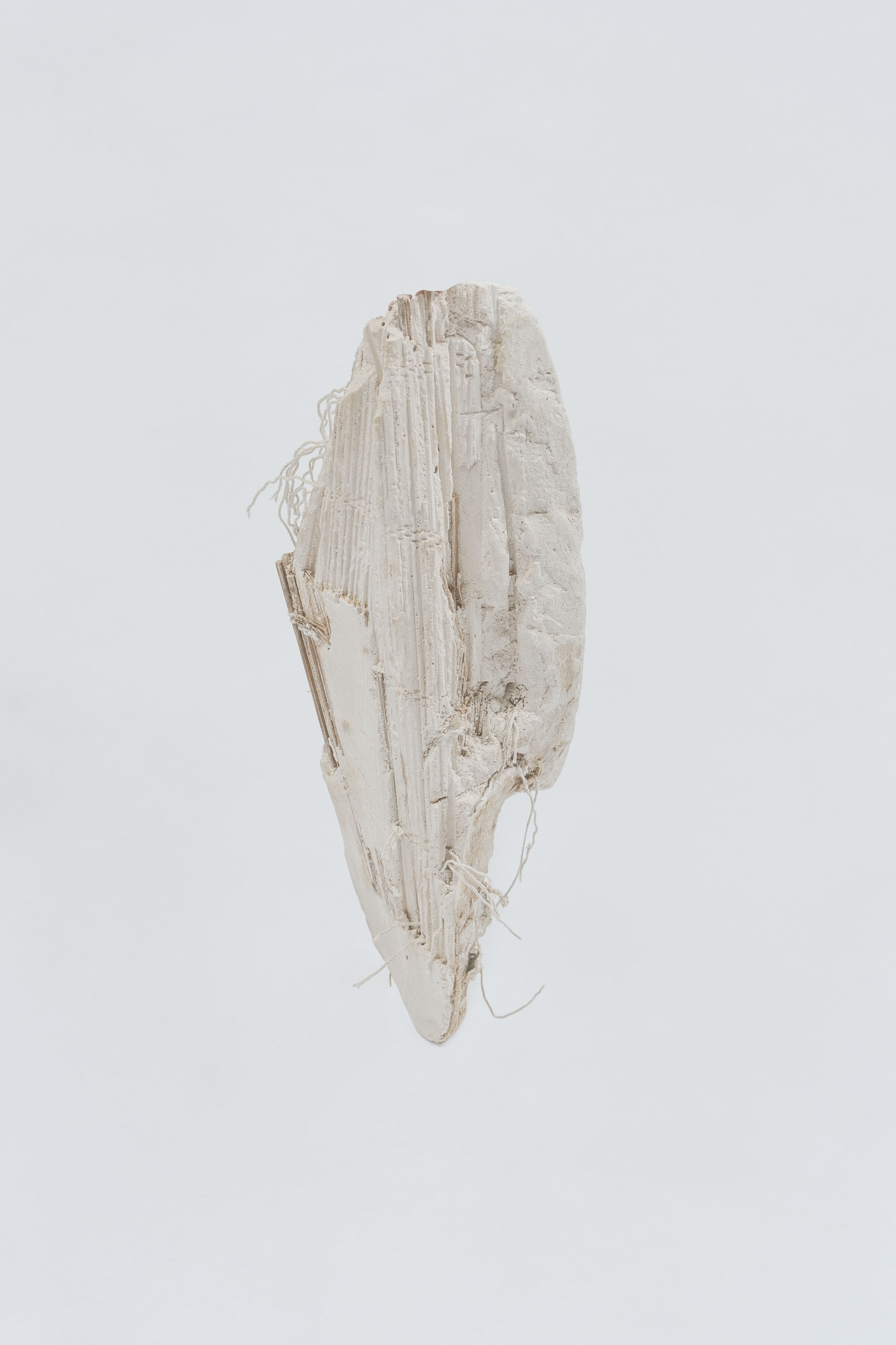
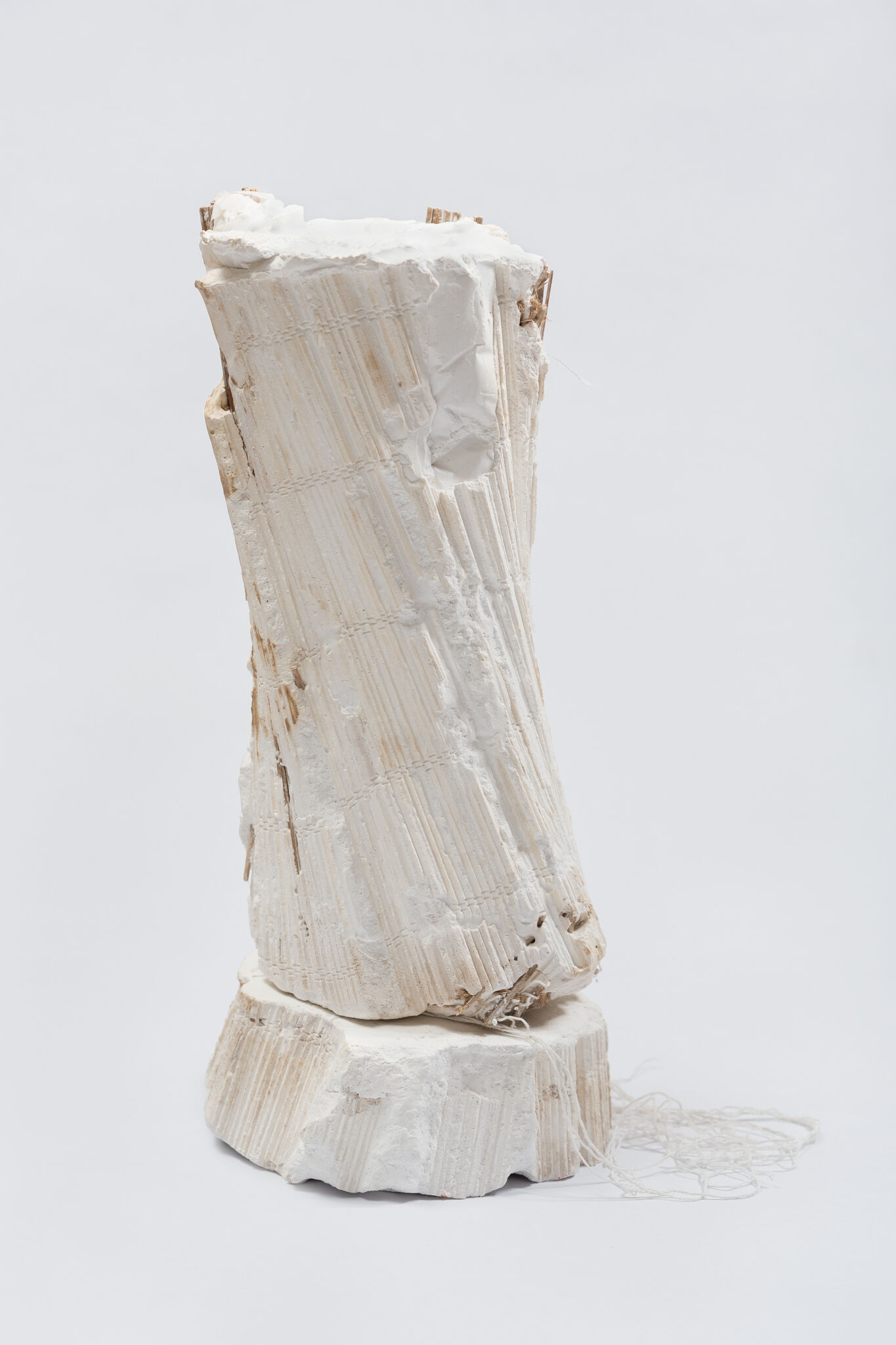
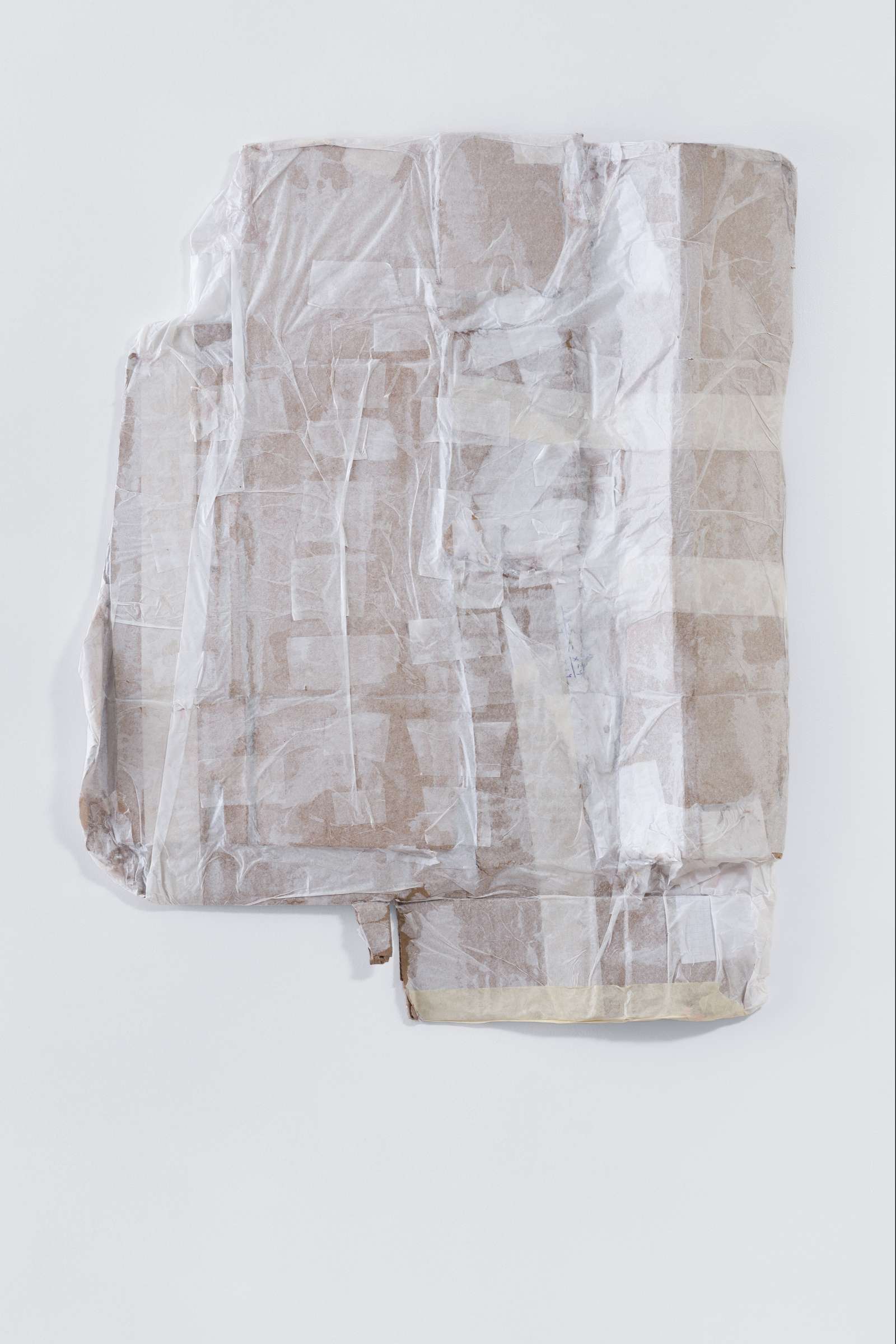
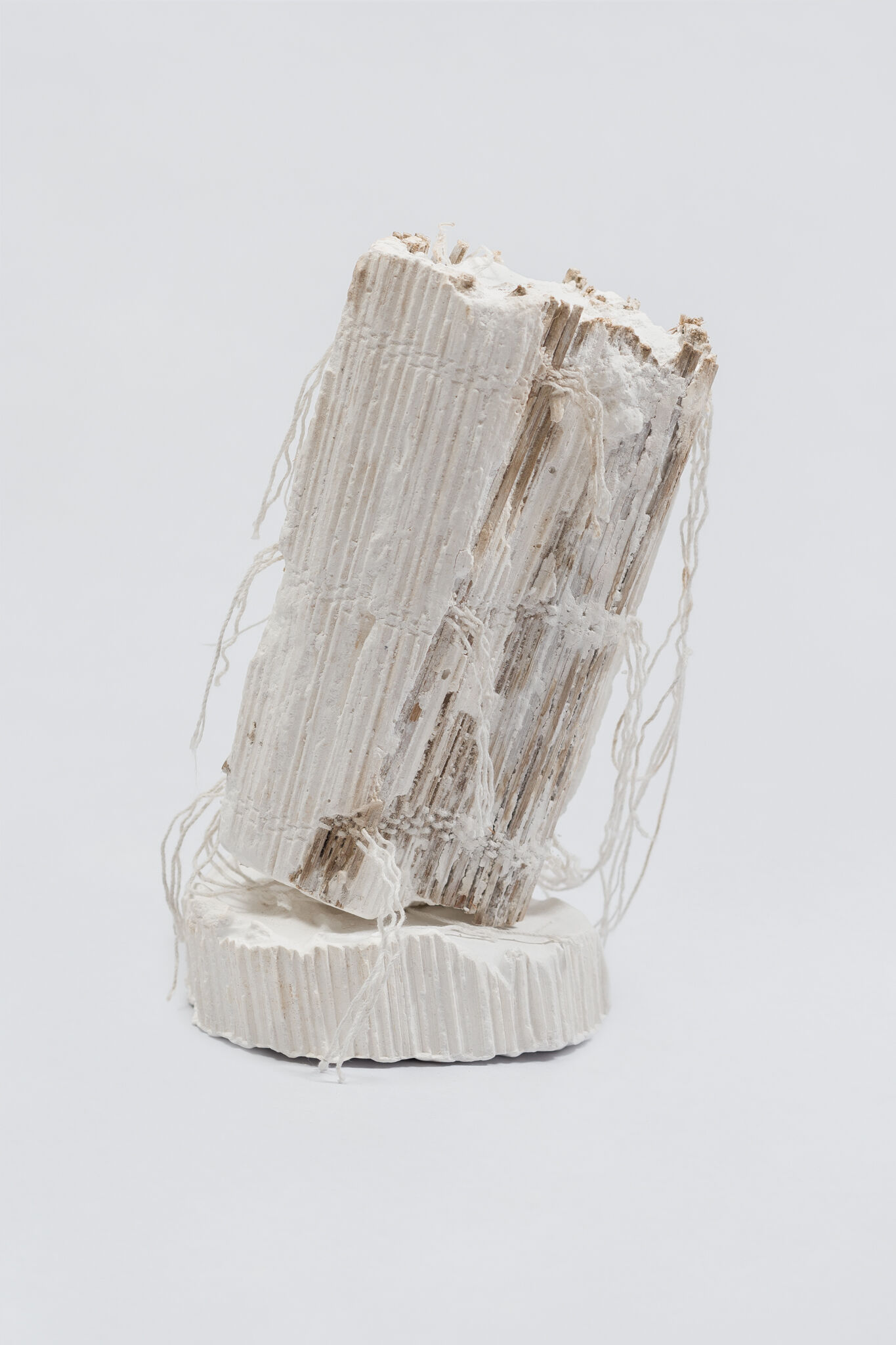
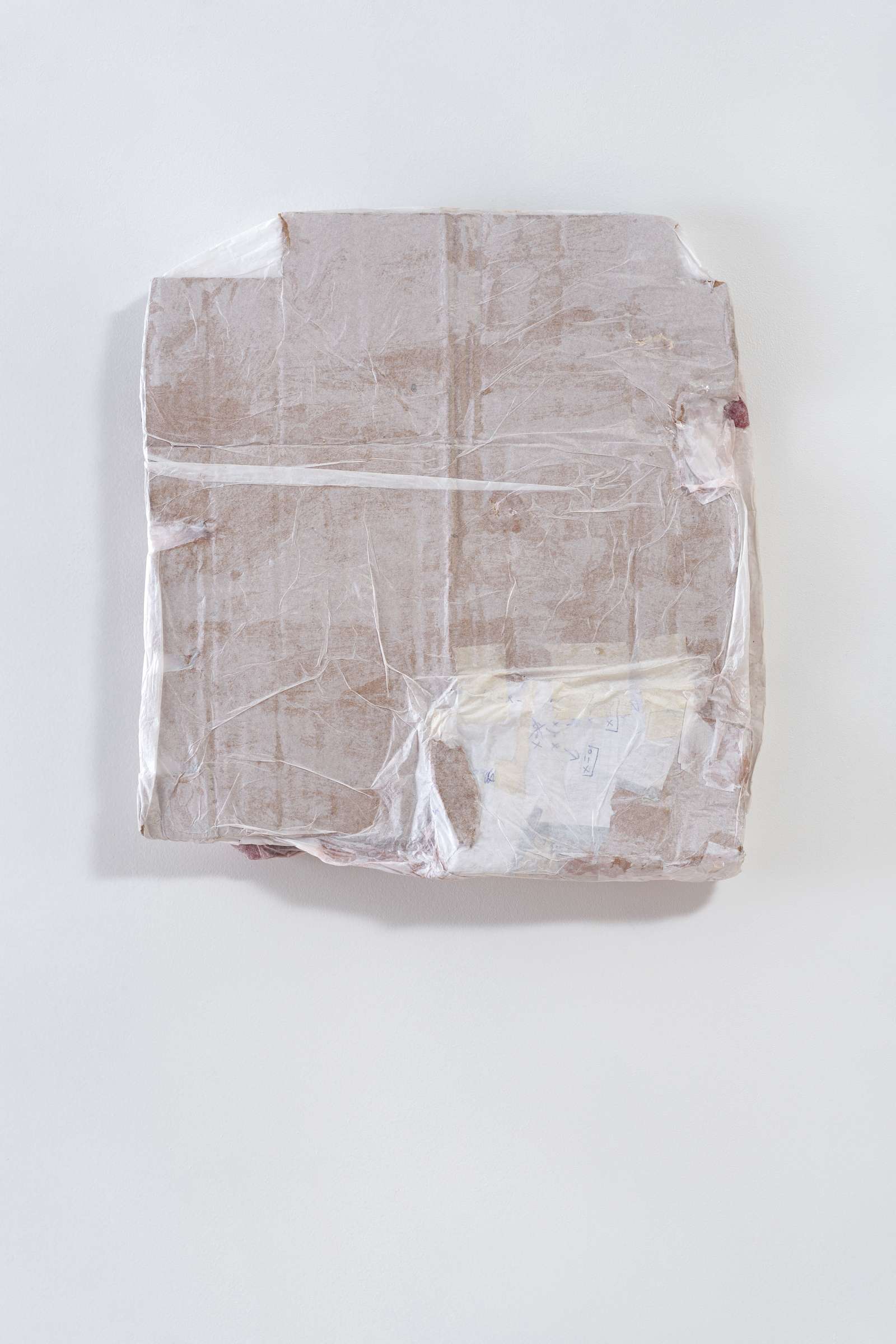
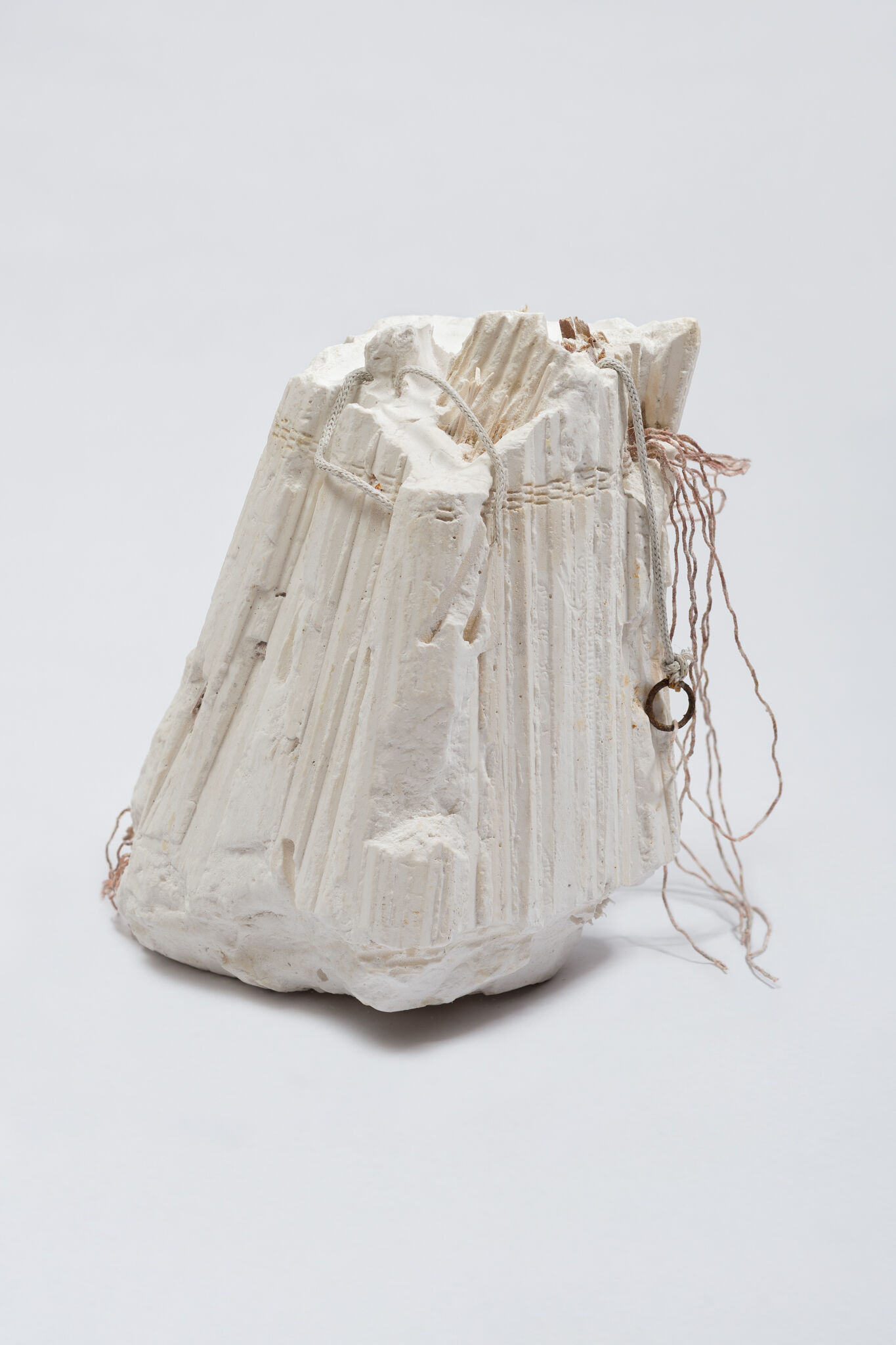
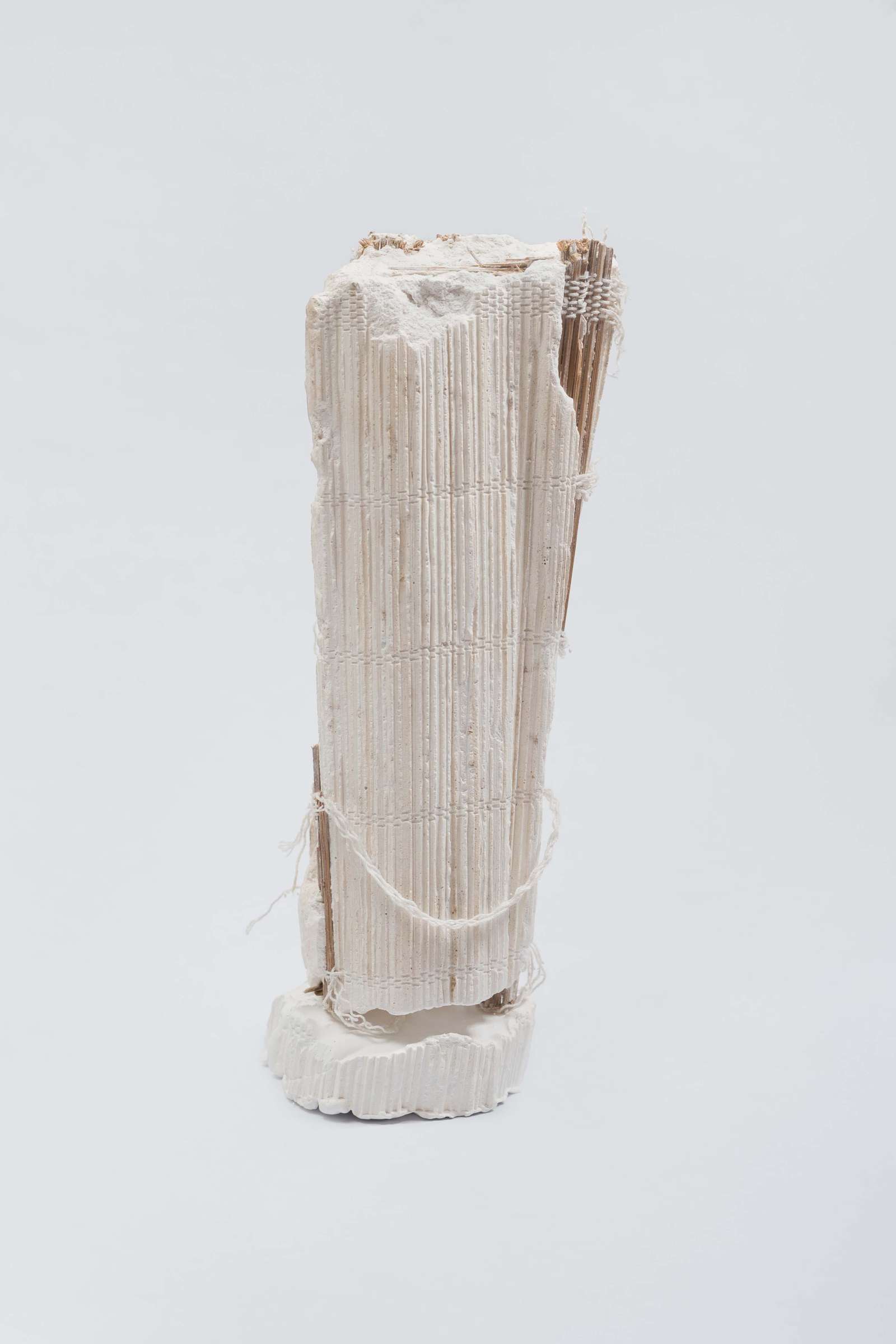
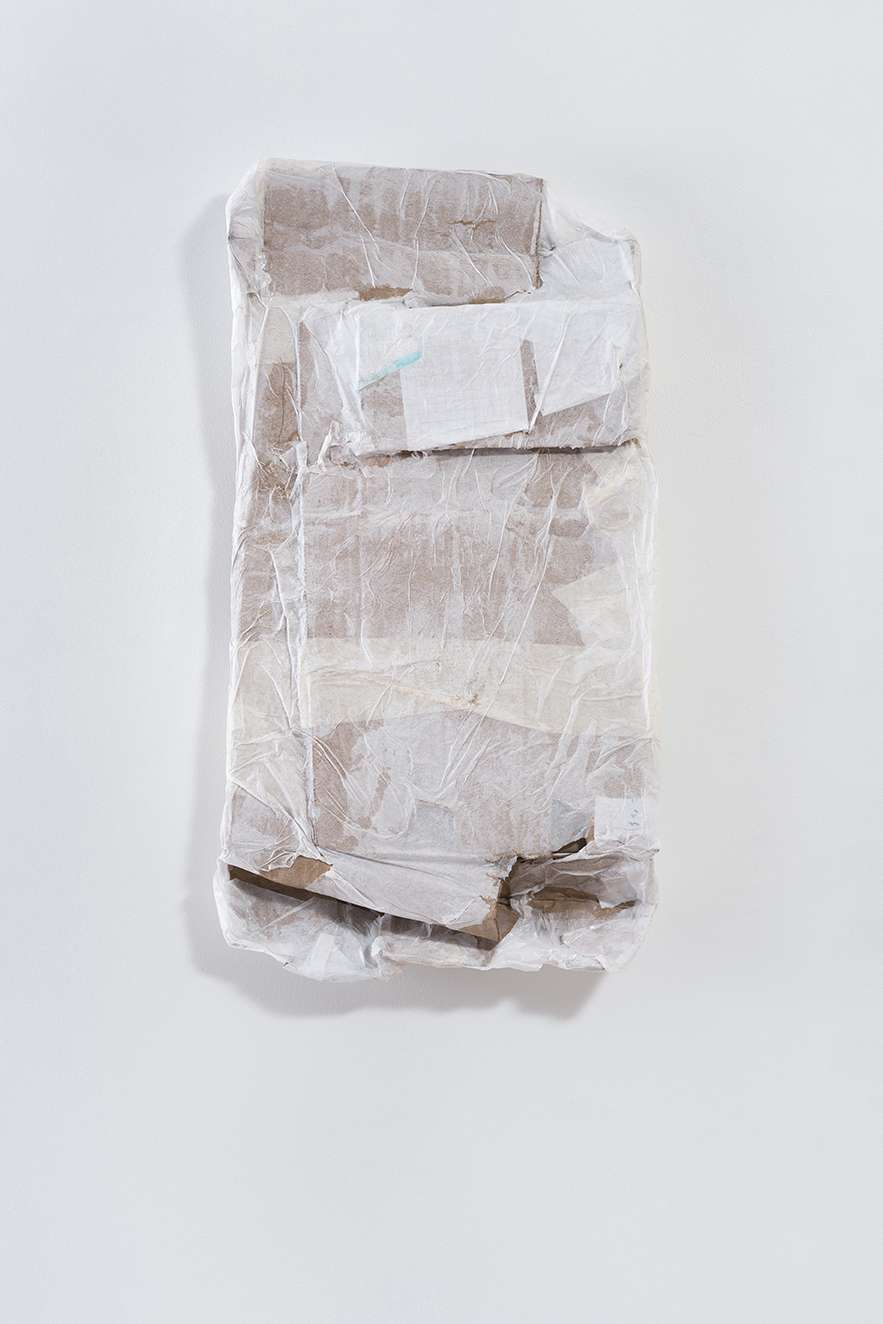
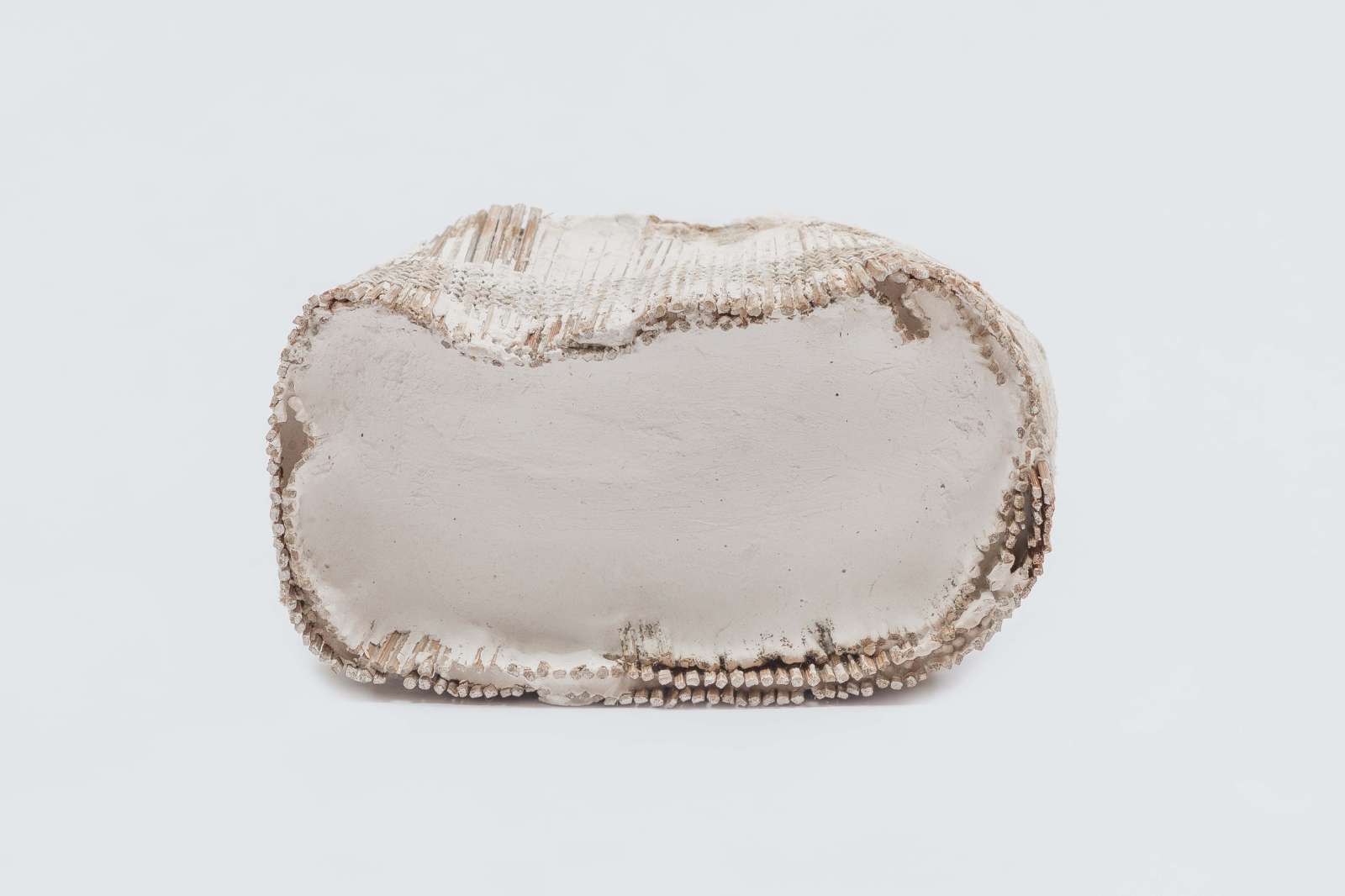
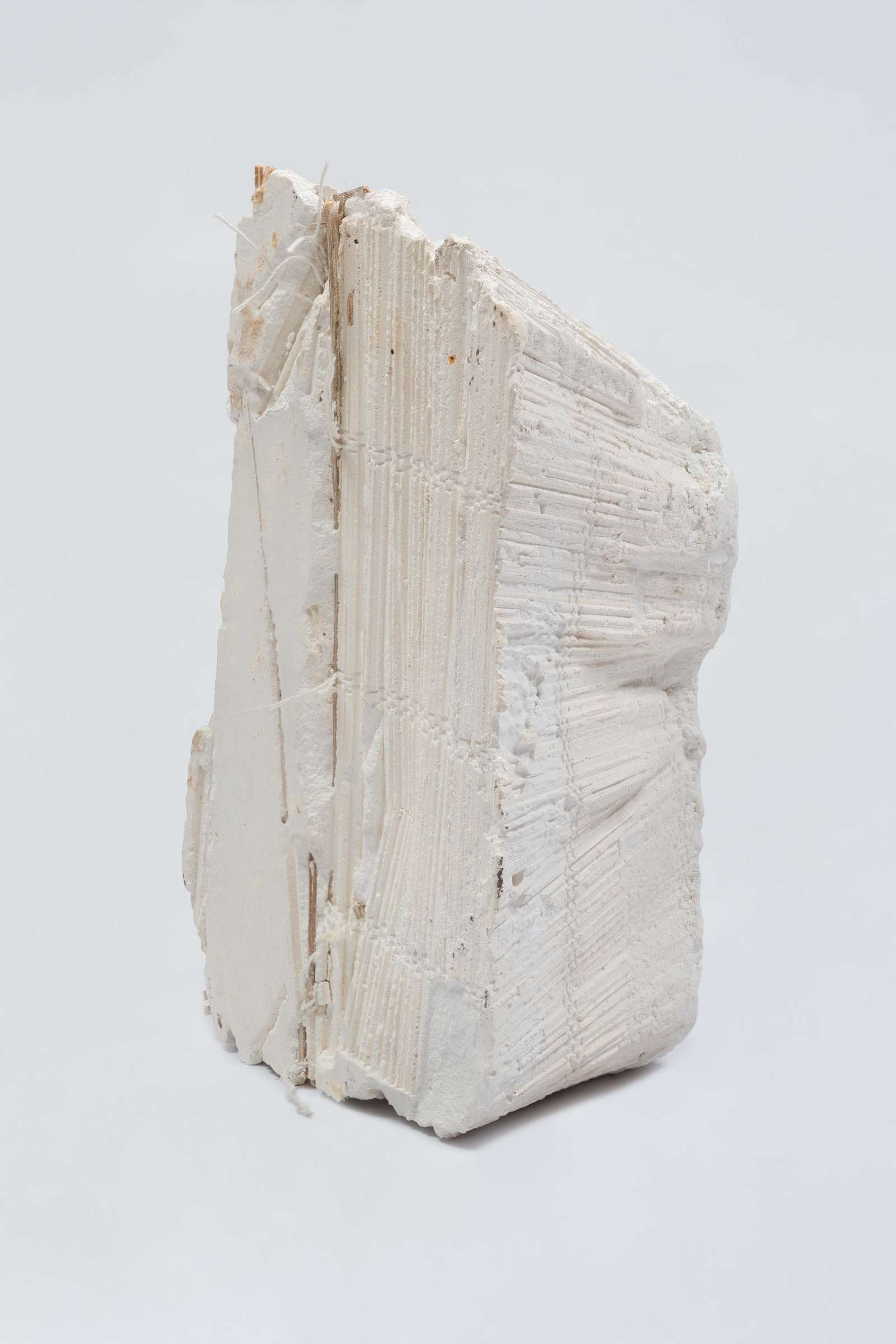
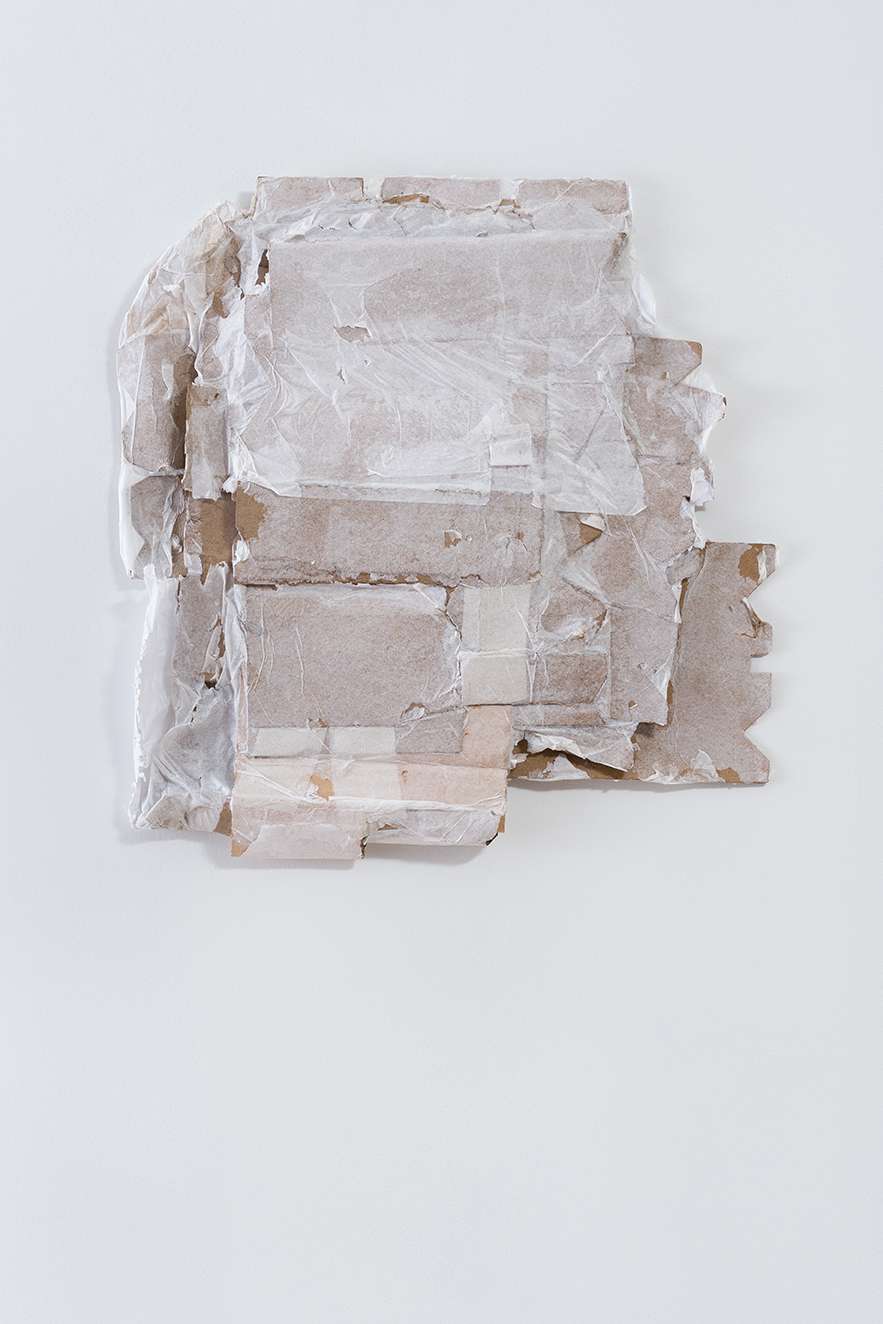
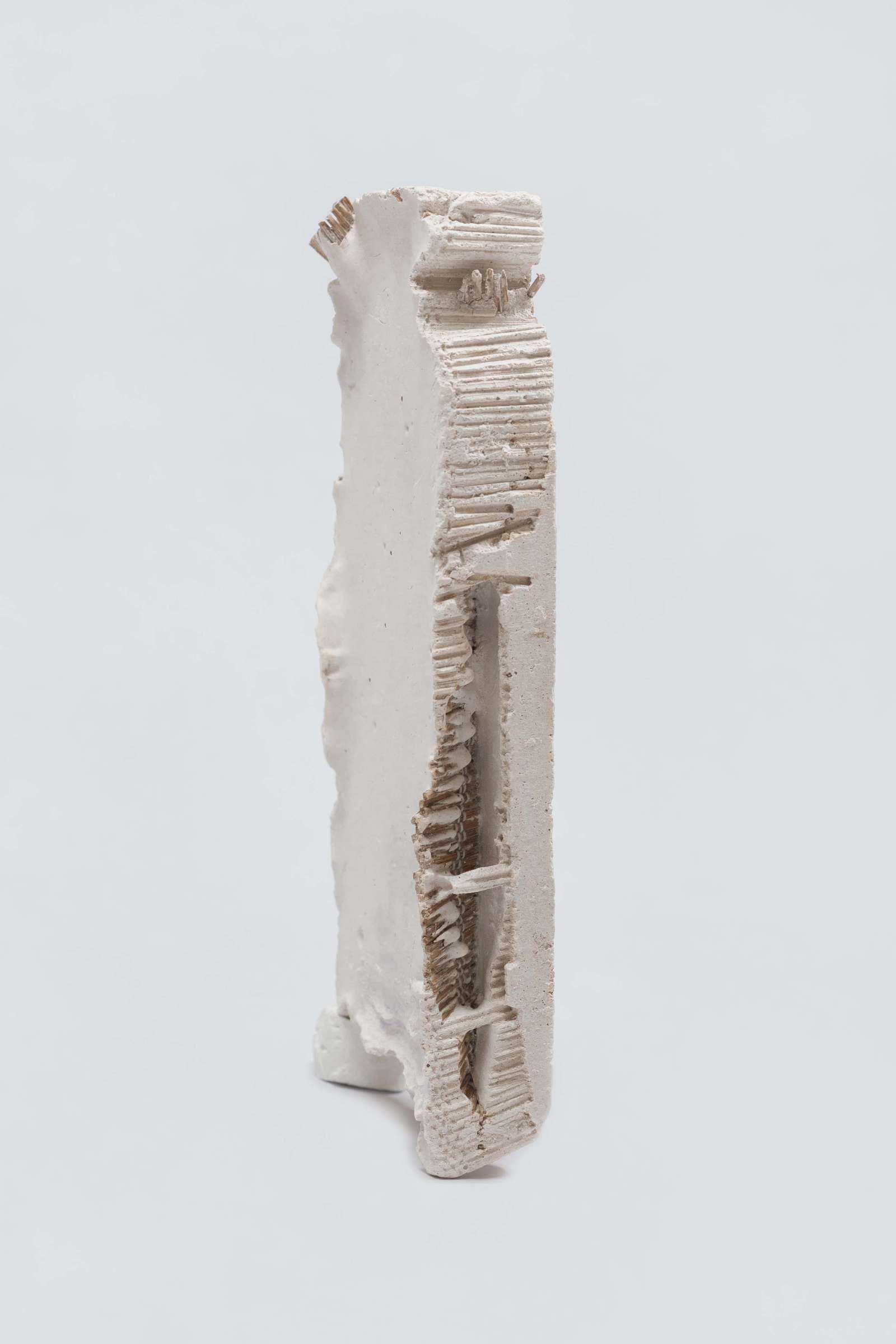
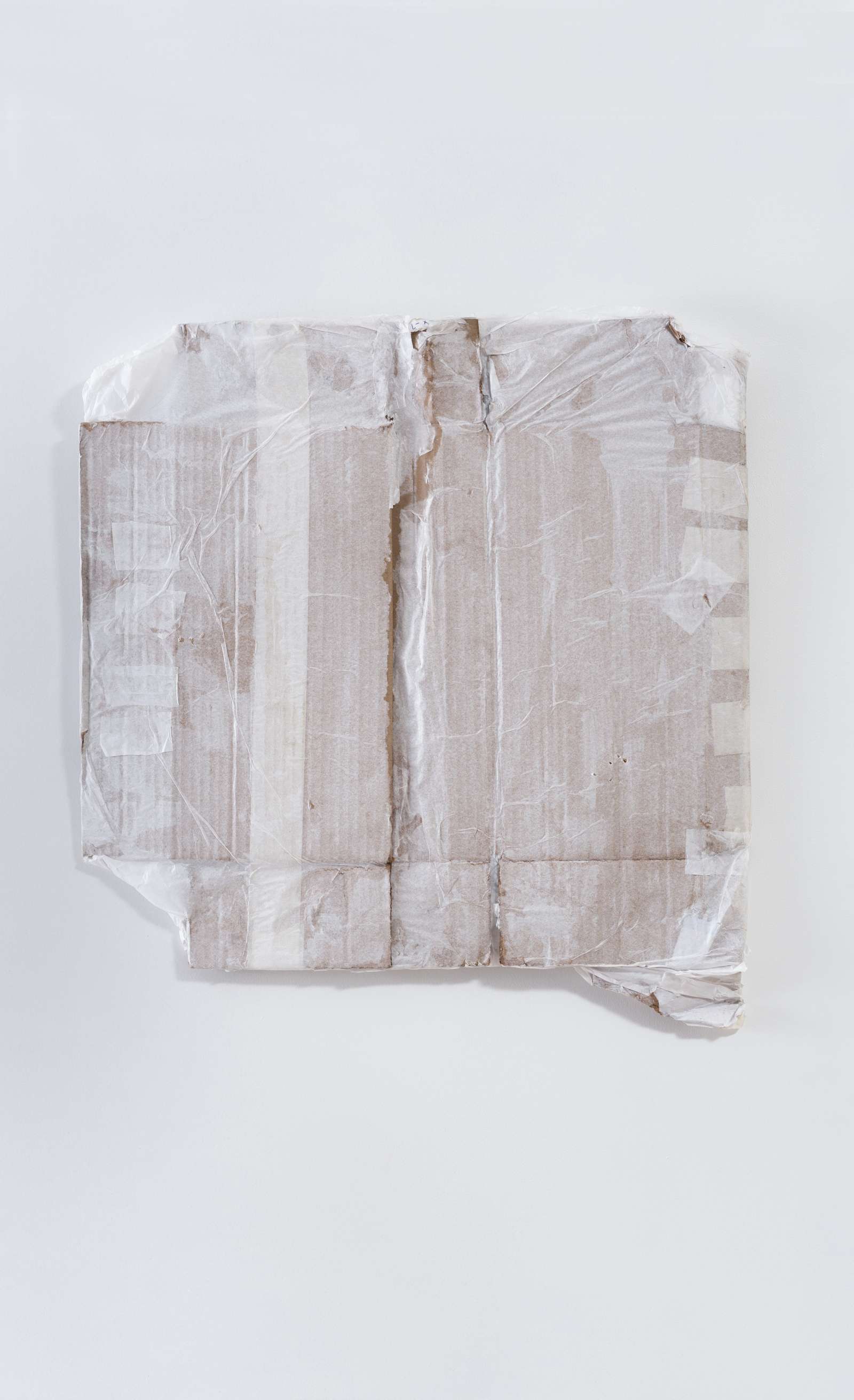
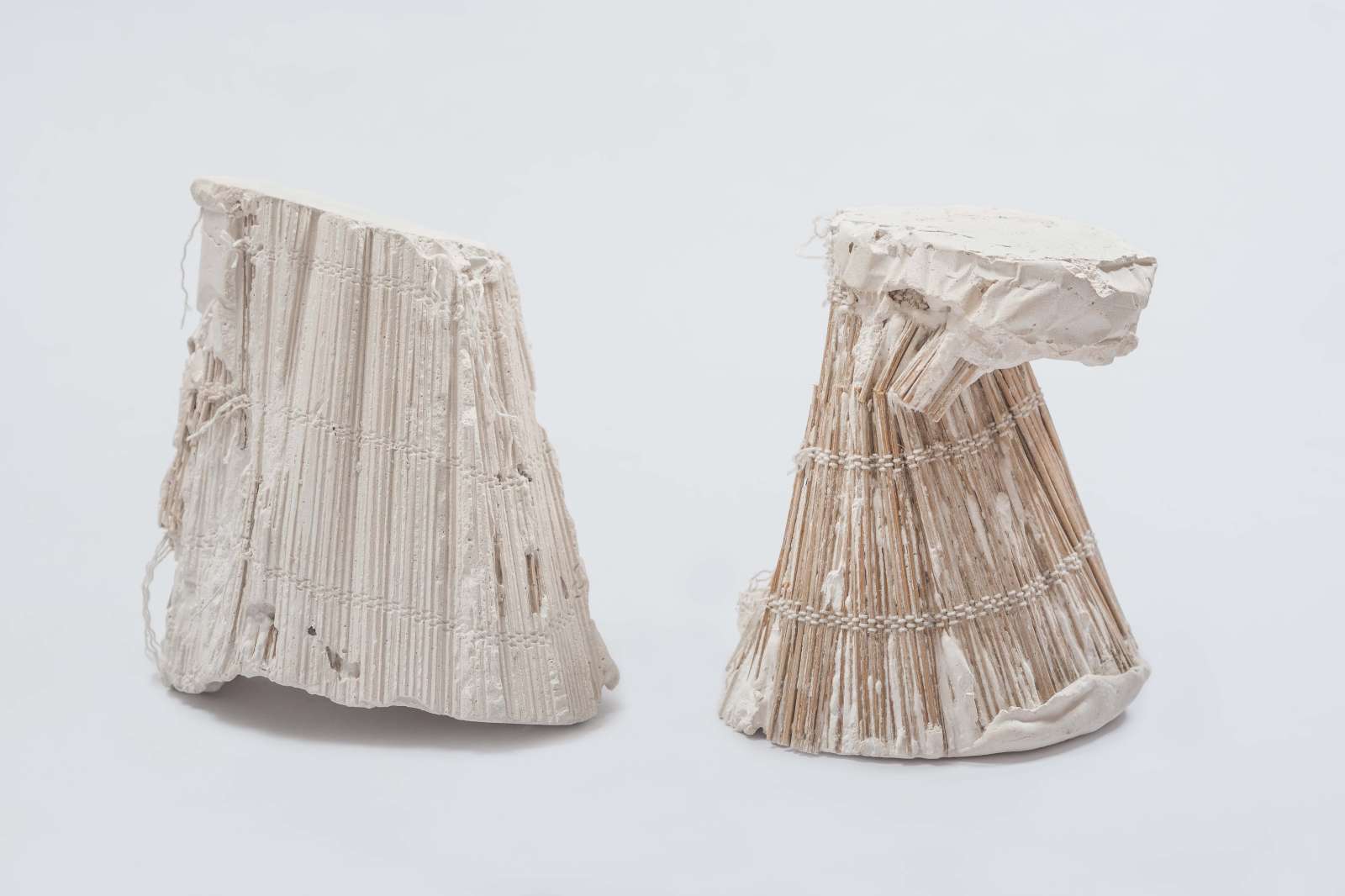
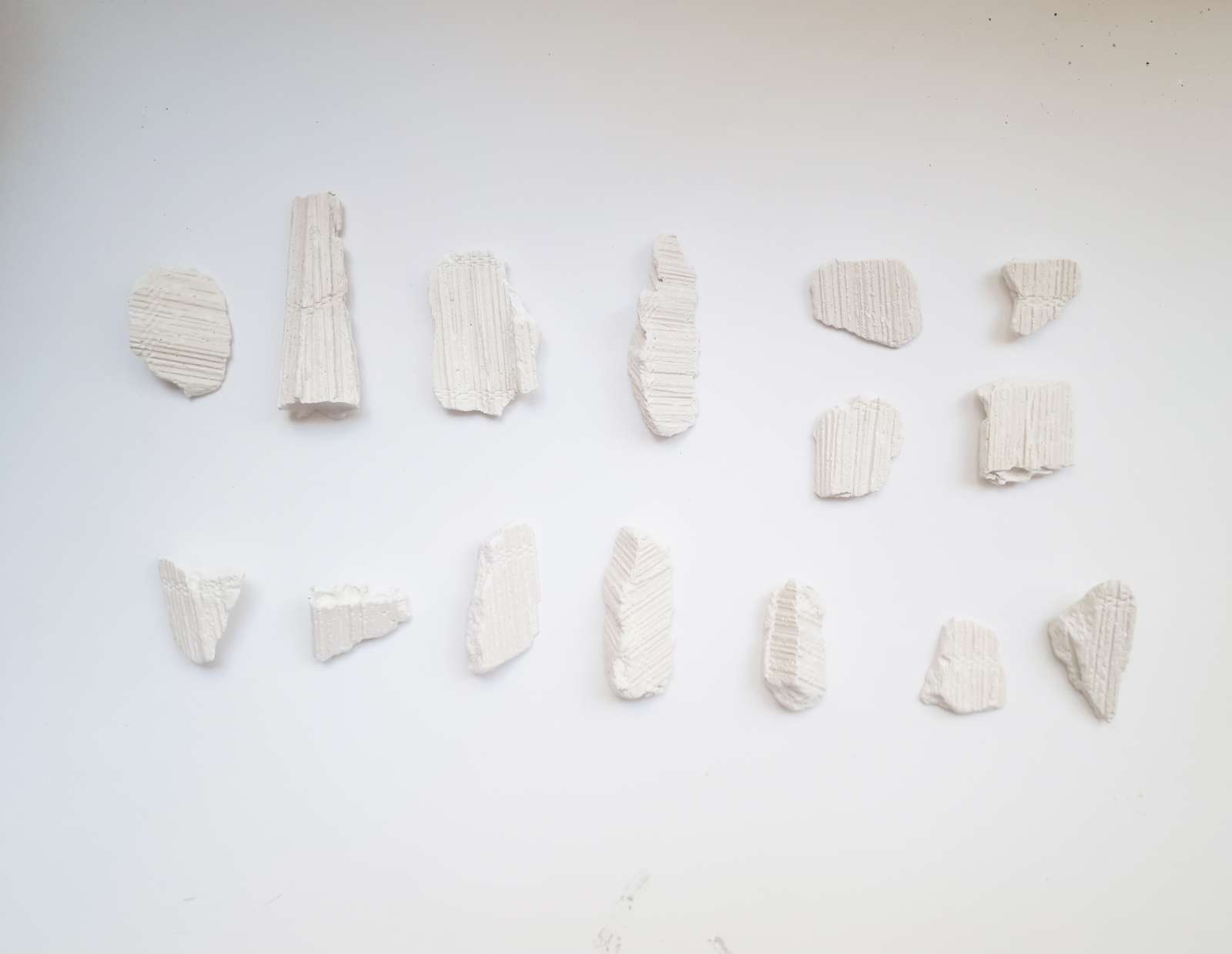
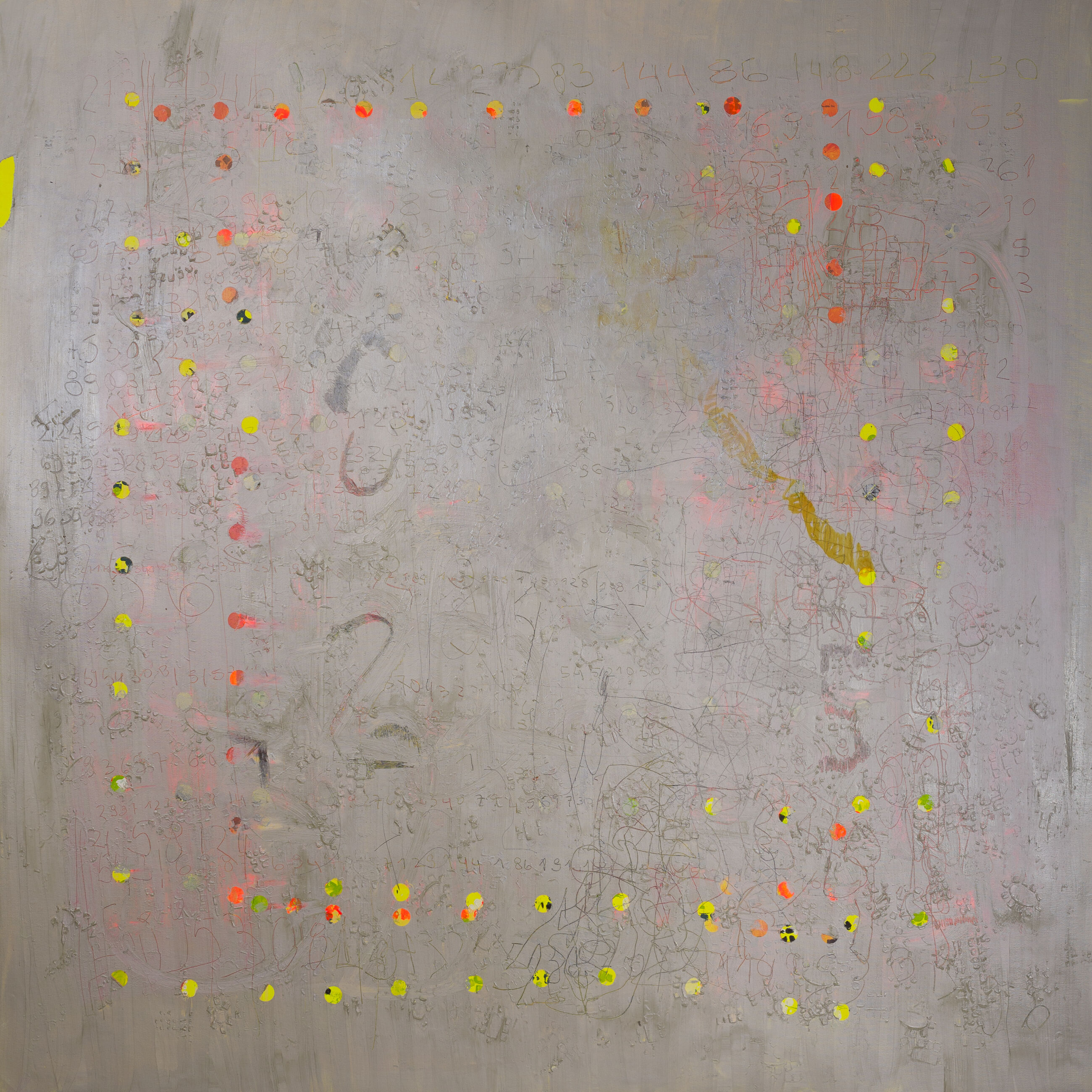
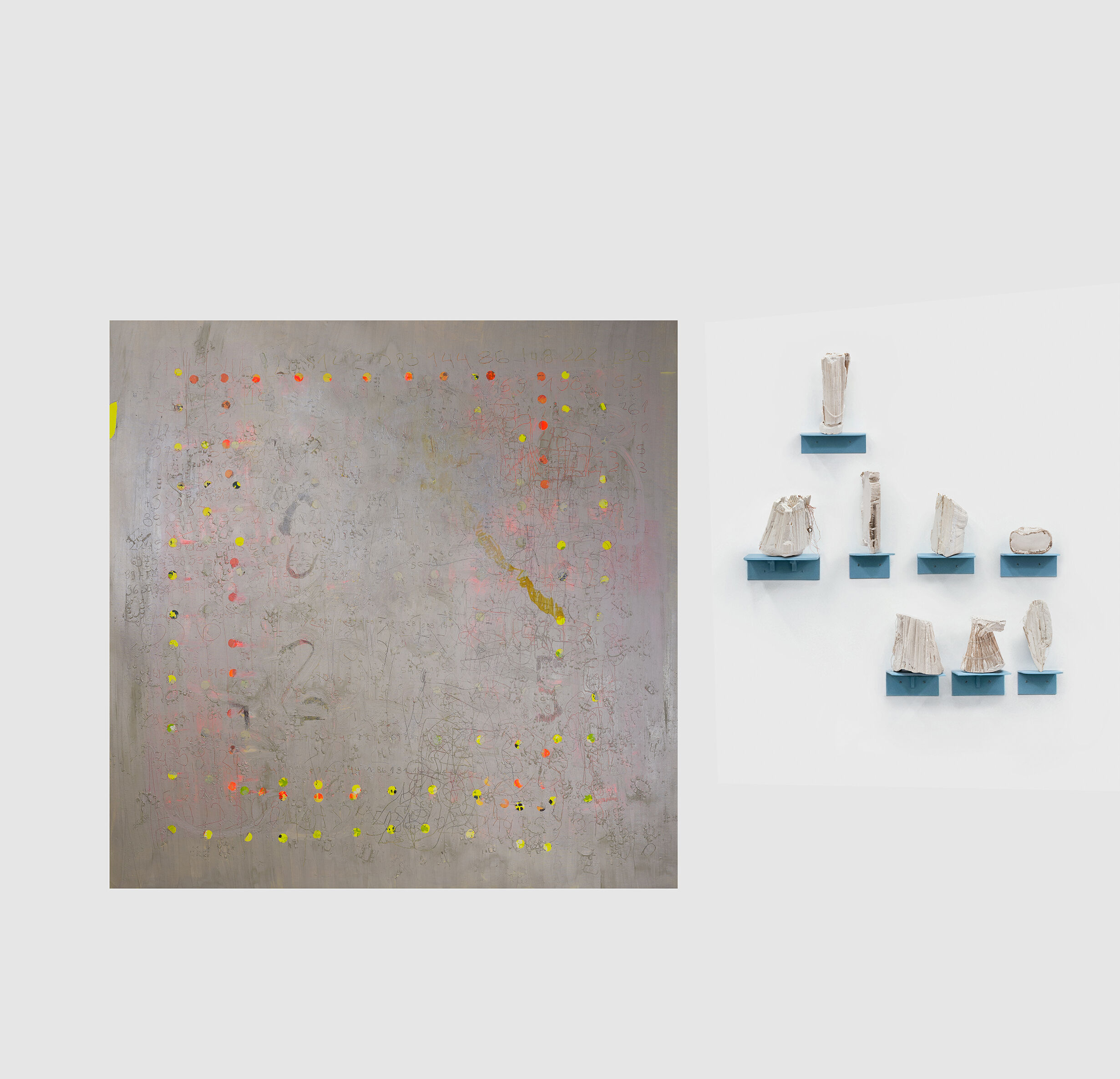
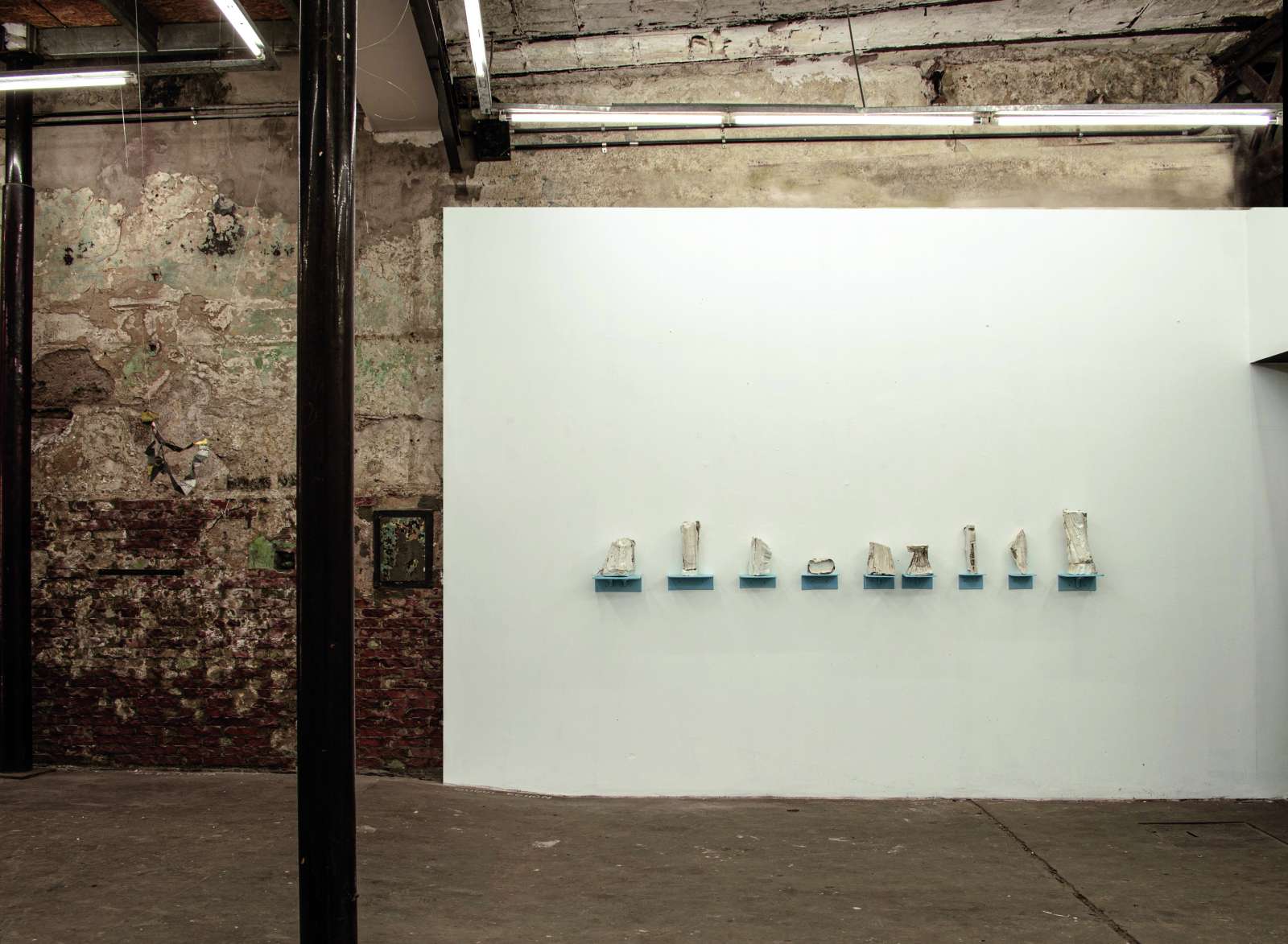
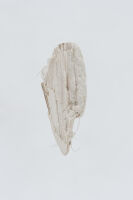
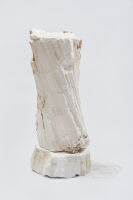
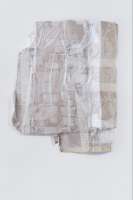
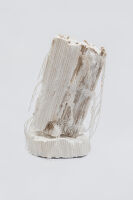
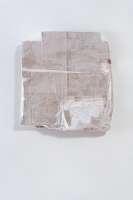
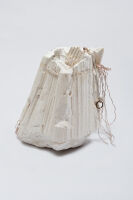
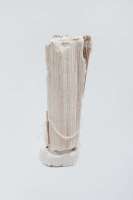
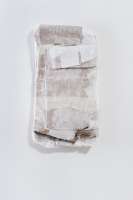
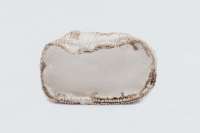
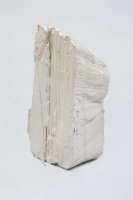
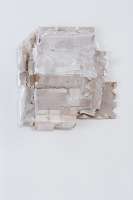
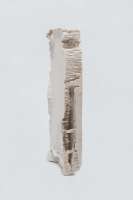
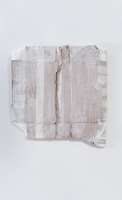
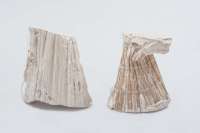
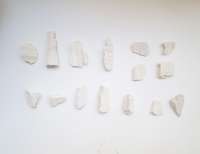
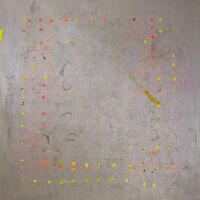
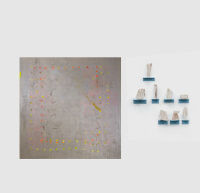
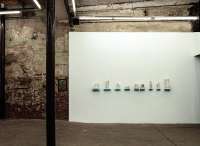
MUNAR Gallery. (Taller Teran).
In ancient times, the term palimpsest was used to describe those parchments from which an existing text was erased in order to inscribe a new one.
Frequently, the trace of the scraped signs irreverently seeped through beneath the more recent strokes. This superimposition gave rise to the chance emergence of new signs and meanings.
The work of Guigui Kohon immerses us in the palimpsest. In a manner more mysterious than overt, she weaves—layer upon layer—the relationship of this time with other possible times. Her multiple and simultaneous textuality presents a kind of condensed form, capable of awakening the most diverse meanings. As Genette suggests, the less massive and explicit the hypertextuality of a work, the more its reading depends on the interpretive decision of the observer.
To contemplate Kohon’s work is to challenge the habits of perception. The freedom with which she operates produces a sense of estrangement. The numbers she offers do not obey the cardinal laws of time and space. Her pieces, constructed through the addition of matter, evoke fragments of ruins—ancient yet uncertain.
In her work, as in an Aleph, all places coexist in a single place and at the same time.
Flavia Goldenstein, Architect, 2024.